
 News
News Cebu Update
 October 16, 2025
 admin
admin
Responding to Crisis: DTL’s Work in Cebu After the Earthquakes
The people of Cebu need your help now. Donate today to support water infrastructure, internet connectivity, and emergency relief for communities devastated by back-to-back earthquakes.
When a devastating 6.0 magnitude earthquake struck Cebu island in the early hours of October 13th—just two weeks after an initial quake—our team was literally shaken awake alongside the community we came to serve. As aftershocks continued and the power went out, we joined residents on the basketball court, witnessing their remarkable resilience as impromptu gatherings turned into moving devotionals sung in harmony.
The Situation on the Ground
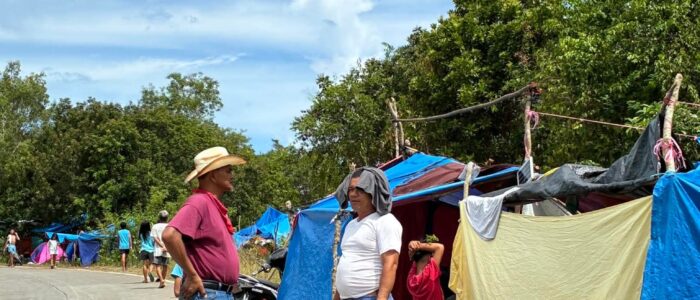
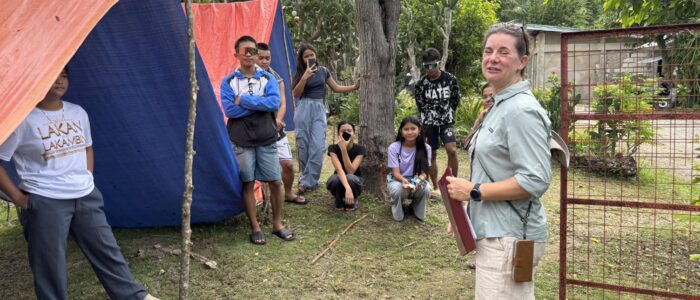
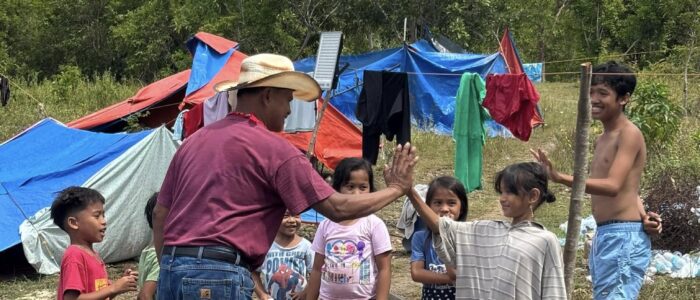
The second earthquake compounded an already dire situation. Families who had just mustered the courage to return home after the first quake were traumatized again. Today, people—including children—sleep literally on the single-lane roads because they fear their homes are unsafe. No government engineers have arrived to assess structural integrity. Tent cities have emerged on private land where residents cannot stay long-term, and getting people off the roads has become a matter of life and death.
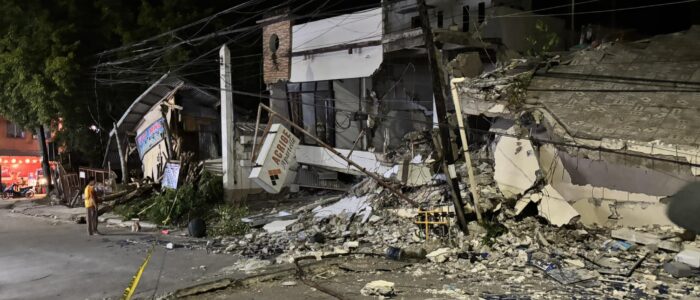
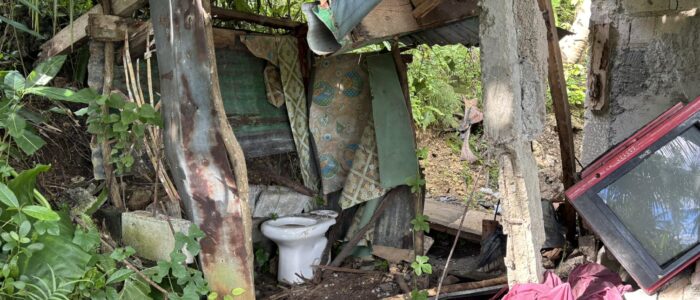
Building damage is heterogeneous but extensive, with poor construction materials—especially crumbling cement—making structures particularly vulnerable. Approximately 20% of buildings are severely damaged, with another 30-40% showing visible harm.
Our Response: Water Security
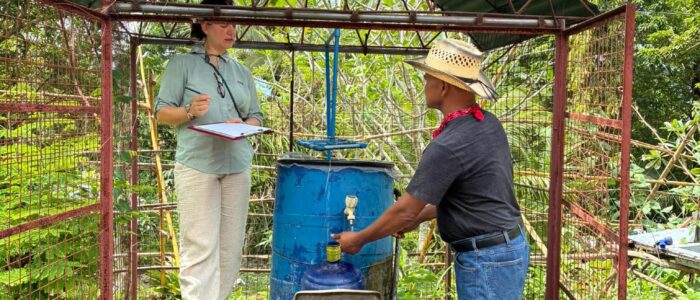
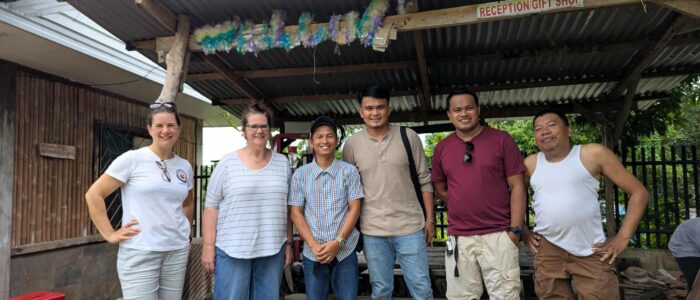
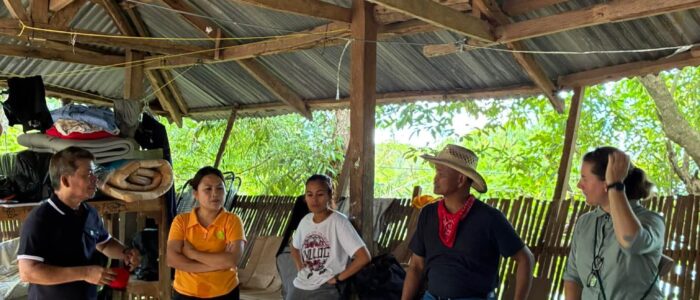
Working with our local partners at a community center and farm, we’ve identified a critical need: water access. The earthquake damaged the main concrete water tower that serves the facility and 45 surrounding households. Currently, water must be pumped into smaller tanks and carried by hand or motorbike—an exhausting and unsustainable solution.
Our team developed a comprehensive water security plan:
- Emergency tank installation: Large 2,000-liter tanks to restore baseline water supply to the community
- Rainwater harvesting system: 100+ barrels to capture rainfall from existing metal roofs, reducing dependence on overtaxed aquifers
- Community infrastructure: Proper platforms, pipes, and filtration to make the system sustainable and user-friendly
- Pump upgrades: Replacing failing equipment that’s critical for drawing water from 70 meters deep
The estimated cost for this intervention is approximately $15,750—a modest investment that will provide water security for hundreds of people while they rebuild their lives.
Connecting Communities: Internet Infrastructure
Beyond immediate relief, we’re tackling another critical challenge: the current internet service is both failing and insufficient. The existing network struggles to support basic applications, frequently buffering even during simple video calls, and doesn’t reach everyone who needs it.
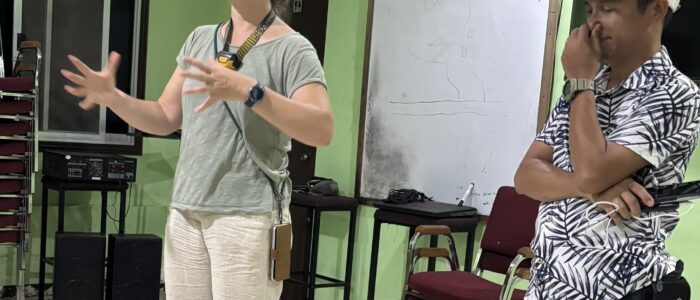
We’re working with local partners to completely overhaul and upgrade the internet infrastructure with the goal of providing reliable access to the entire community. Crucially, we’re developing a comprehensive training program for the maintenance and support of the network. By training local volunteers in network management and troubleshooting, we’re greatly improving the long-term success of the plan and ensuring the community can maintain this vital resource independently.
This infrastructure upgrade will have profound long-term impacts. During emergencies, reliable internet means better coordination, faster communication with aid organizations, and access to critical information. In peacetime, it opens doors to education, telemedicine, economic opportunities, and connection with the wider world.
Medical Care and Daily Relief
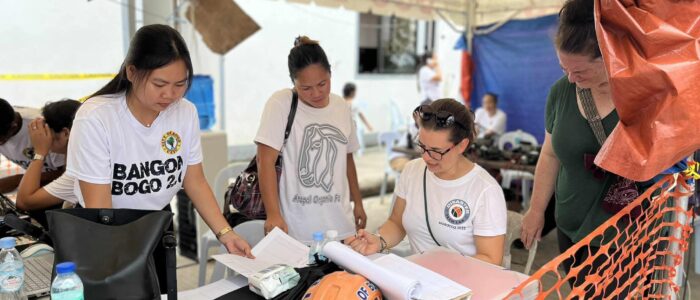
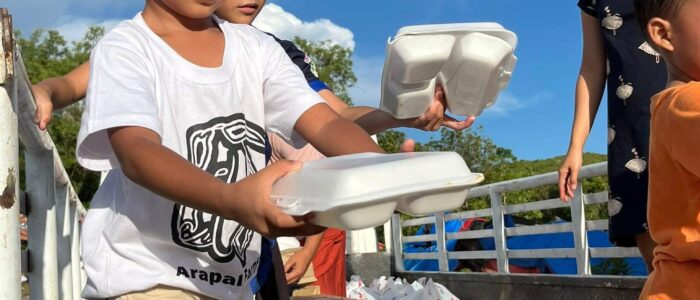
Our medical team has been treating minor injuries, asthma patients, and skin conditions (including scabies, which is impossible to cure while people live in tents). We’ve helped distribute 600 meals from World Central Kitchen and supported government food parcel distribution, though the real challenges are food storage in tents and access to fresh produce.
We’ve also been working on establishing a proper IDP camp on safe ground, with critical hygiene infrastructure including latrine systems—basic necessities that were initially overlooked in the rush to provide shelter.
How You Can Help
The situation in Cebu requires sustained support, not just immediate relief. Communities need:
- Water infrastructure for long-term resilience
- Internet connectivity for education, emergency response, and economic development
- Medical supplies and care for ongoing health challenges
- Proper sanitation for IDP camps
- Materials to make temporary shelter safer and more dignified
Your donation can make an immediate difference. Every contribution helps us provide essential infrastructure that will serve these communities not just for weeks, but for years to come.
The people of Cebu have shown extraordinary courage and resilience. They’re not asking for much—just the basics to survive and rebuild with dignity. Help us help them.