
 Sitrep
 Situation Report: Texas Flood Relief Response
 July 25, 2025
 admin
admin
Situation Report: Texas Flood Relief Response – Disaster Tech Lab
Reporting Period: April 15–19, 2025
Prepared by: Disaster Tech Lab Operations Team
Overview
Following widespread and destructive flooding across Central Texas, Disaster Tech Lab (DTL) deployed rapidly to assess damage, restore communications infrastructure, and support community-led relief efforts. DTL teams operated in Kerrville, Ingram, Hunt, Leander, Sandy Creek, San Saba, and surrounding rural areas.
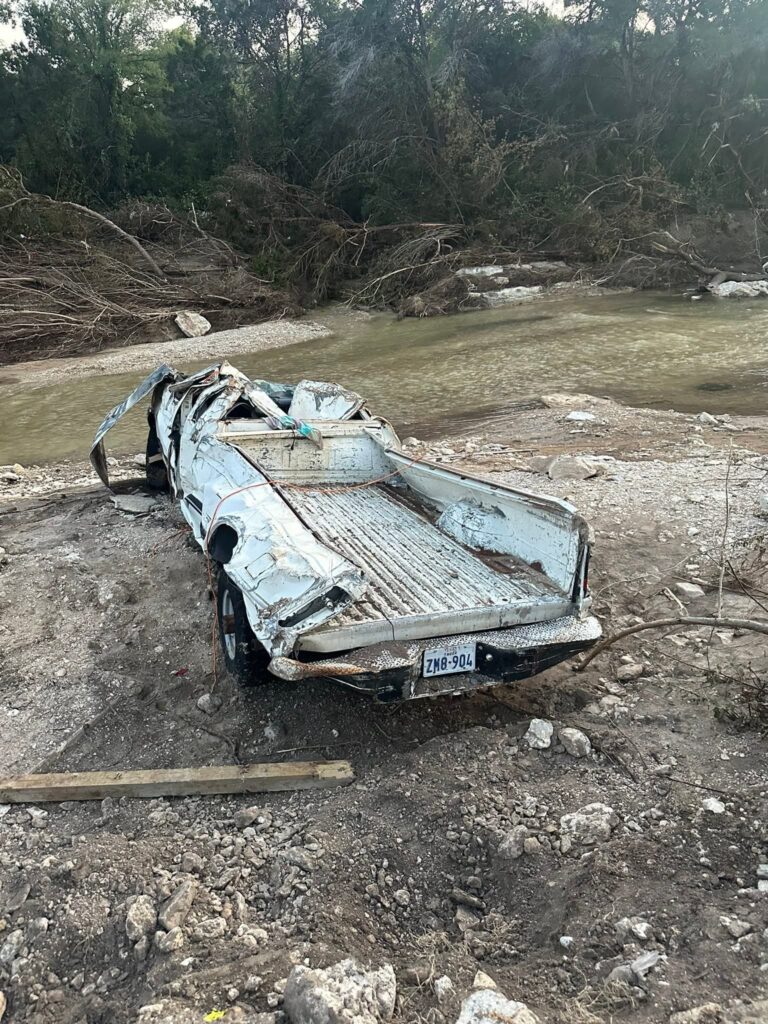
The flood event left hundreds of homes uninhabitable, critical infrastructure disabled, and more than 100 people still unaccounted for. Local fire departments, churches, and volunteer groups responded immediately, often without access to coordination tools, electricity, or reliable communications.
DTL’s mission focused on restoring vital connectivity, enabling effective coordination, and delivering tools, shelter, and supplies to local organizations on the front lines of the response.
Estimated people directly & indirectly assisted through DTL’s efforts: ~2,000+ individuals
(This includes residents provided with internet access, volunteers and responders equipped with power and tools, and displaced individuals supported with shelter, hygiene, and supplies.)
Coordination with Local Partners
To maximize the impact of our support, DTL coordinated directly with:
- Kerrville Fire Department
- Regional Emergency Operations Centers (EOCs)
- EMS Coordination Center
- Salvation Army
- St. Vincent de Paul
- Southern Baptist Texas Disaster Relief
- Hill Country Community Action Association
- Community churches and grassroots volunteer networks
These partnerships ensured real-time situational awareness and rapid delivery of support to underserved and hard-hit communities.
Connectivity & Communications Deployment
The collapse of communications infrastructure was identified as a major obstacle to effective relief operations. DTL addressed this by deploying resilient internet and Wi-Fi solutions:
- Sandy Creek: A Starlink satellite internet system and outdoor Wi-Fi hub were installed at a central volunteer coordination point.
- Sandy Meadow Circle: Public Wi-Fi was established at the HERO location, under the open-access network HERO_Disaster_Tech_Lab_open, now used by residents, responders, and volunteers.
These deployments have enabled:
- Emergency coordination among aid groups
- Communication for displaced families
- Real-time reporting of unmet needs
- Internet access for over 1,500 residents and volunteers to date
Relief Supplies Secured & Distributed
DTL also sourced and distributed vital equipment and supplies to grassroots groups and community responders, allowing them to operate safely and effectively.
Items secured and distributed include:
- 5 × 5500-watt generators – powering community centers, relief tents, charging hubs
- 6 × 18″ chainsaws – used for debris removal and access clearance
- Chainsaw oil – for ongoing field operation
- 10 × outdoor extension leads – for safe distribution of generator power
- 100 × first aid kits – supplied to volunteers and field medics
- 1 × 8-berth accommodation trailer – housing displaced responders and volunteers
- Mobile laundry facilities – supporting hygiene for affected families and aid workers
- Starlink satellite internet kits – for connectivity in remote/isolated areas
- Wi-Fi routers and mesh networking gear – expanding access coverage
- Power banks and mobile charging units
- Work gloves, tarps, and hand tools
- Cleaning supplies and disinfectants
These items were delivered directly to frontline groups, church-led hubs, and volunteer coalitions across at least seven flood-affected towns, supporting local operations and basic needs for thousands.
Ongoing Needs
As the situation transitions from response to recovery, several unmet needs remain urgent:
- Additional generators, solar chargers, and fuel
- More chainsaws and debris-clearing tools
- Radios and mobile hotspot equipment
- Portable lighting and sanitation kits
- Medical and hygiene supplies
- Technical volunteers for comms setup and logistics coordination
DTL maintains a dynamic needs list and continues to coordinate donations and support to match field priorities.
Conclusion & Call to Action
In just a few days, Disaster Tech Lab has helped restore communication in multiple communities, distributed life-sustaining resources, and supported over 3,000 individuals directly affected by the Texas floods. Our deployments have enabled faster coordination, powered emergency operations, and strengthened the capabilities of community-led response groups.
But the work is far from over.
You can support ongoing efforts by:
- Donating to fund continued deployments and critical supply purchases → https://donorbox.org/texas-flood-response-2025
- Providing or funding essential equipment
- Volunteering your skills — remotely or on-site
Every contribution directly supports communities in crisis and strengthens grassroots response.